
Evidence that matches your condition
Regenerative Medicine Overview
If you’re researching stem cells for a diagnosed condition, you’ll want four things pinned down: what the human studies actually used, what changed, what didn’t, and what risks or follow-up came with it. Those answers look nothing alike across Parkinson’s, type 1 diabetes, knee osteoarthritis, spinal cord injury or liver disease — don’t expect a one-size-fits-all answer.

The regulatory situation in Japan
Legal availability is not the same as proven benefit for your disease.
Japan regulates regenerative medicine through the Safety Act and the PMD Act. They cover different activities and records.1
A product approval applies to defined products and indications. It should not be stretched into a claim that “stem cells” work for unrelated conditions.
Got a protocol name, cell type or a quote in hand? We’ll help you sort out the questions that deserve clear answers before you spend time or money.
Get a Clear Next StepEvidence broken down by condition
The numbers are not interchangeable.
The words “stem cell therapy” tell you almost nothing on their own — study size, cell type, route, follow-up and what was actually measured matter far more. The figures you’ll see below are study results, not personal success rates.
Blood-forming stem cell transplantation is established for selected cancers and blood disorders. Patient survival must be matched to the diagnosis, disease status, transplant type, age and other risk factors; a single percentage is not valid across all transplants.2
A 2025 phase I/II study treated 7 people with donor iPS cells developed into dopamine-producing nerve-cell precursors and followed them for 24 months. Among the 6 people used for the motor analysis, 4 improved when tested after Parkinson’s medicine had worn off; the average score change was 9.5 points (20.4%). The study had no control group, so it cannot show how much of the change came from the cell treatment itself.3
No serious adverse events were reported, but all 7 participants had adverse events: 73 in total, 72 mild and 1 moderate. Tacrolimus immune suppression was stopped at month 15. This does not establish a routine success rate.
A 2025 phase I/II study tested stem-cell-derived insulin-producing islet cells. Fourteen participants completed at least 12 months of follow-up. Of the 12 who received the full dose, all had no severe hypoglycemic event and had HbA1c below 7% at day 365; 10 of 12 were insulin-independent. Every participant received immune-suppressing medicine.4
Neutropenia was the most common serious adverse event, occurring in 3 participants. Two deaths occurred during follow-up; the paper reports cryptococcal meningitis as one cause and progression of pre-existing neurocognitive impairment as the other. The 83% insulin-independence figure is a result from this small selected study, not a general success rate.
Read the study, not just the percentage
A result only makes sense with its study size and endpoint.
Seven people in a Parkinson’s study, 12 full-dose participants in a diabetes study and more than 1,000 people across knee trials are very different evidence bases. A percentage without the study population, control group and follow-up can be misleading.
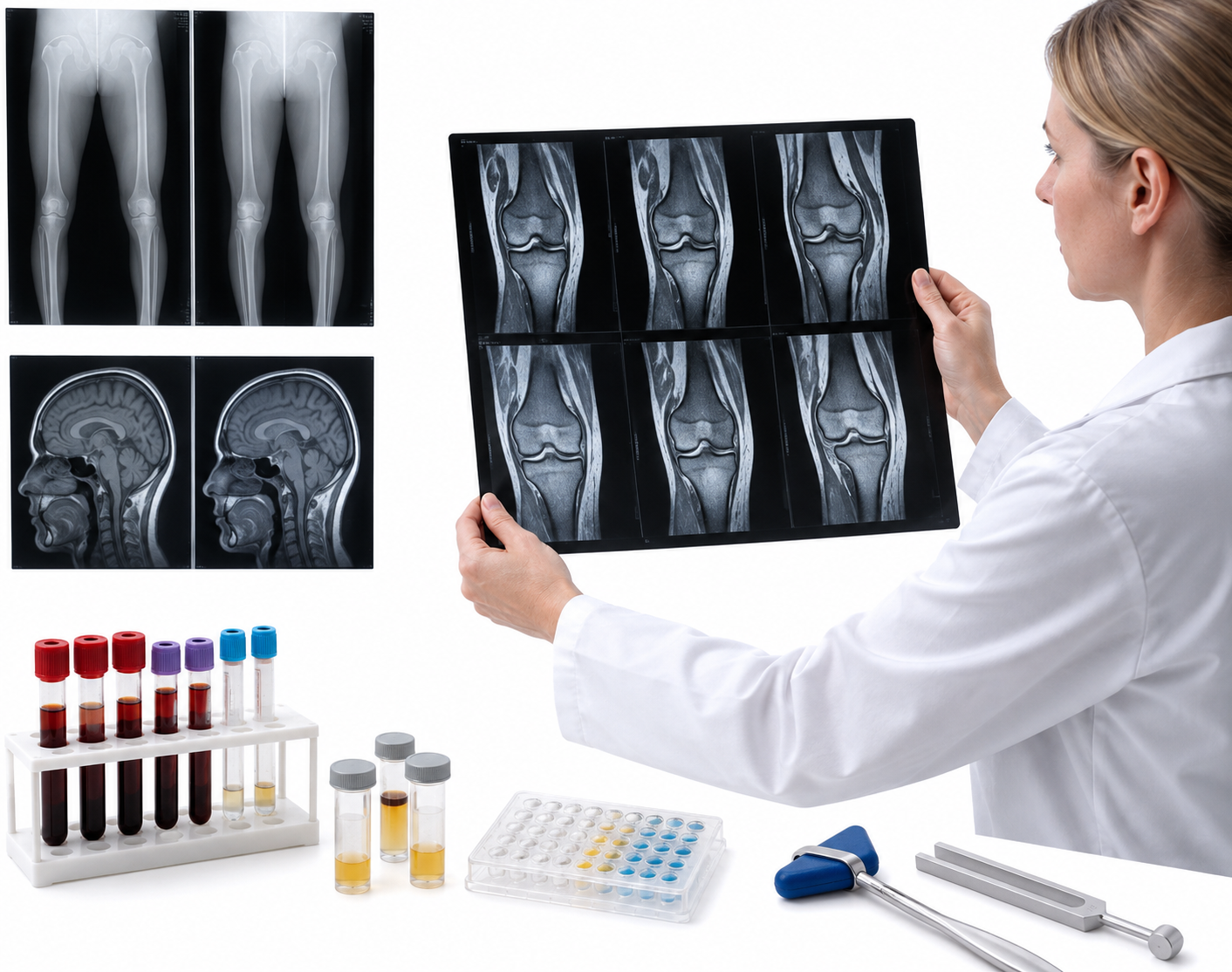
A 2025 Cochrane review included 25 randomized studies with 1,341 participants. Against placebo, pain at six months was 1.2 points better on a 0–10 scale and function was 14.2 points better on a 0–100 scale. Cochrane rated the pain and function evidence low certainty, and no included study assessed radiographic disease progression.5
A 2026 Japanese phase 1 study treated 4 men with subacute, complete cervical spinal cord injury using iPS-cell-derived neural stem/progenitor cells placed into the injured cord. Follow-up lasted 2–4 years. No tumor formation or graft-related adverse event was seen. At 52 weeks, the median motor-score improvement was 13 points, and 2 of 4 participants improved from AIS grade A to C or D. The study was single-arm and designed mainly for safety, not to prove effectiveness.15
A 2025 Cochrane review found 12 studies involving 823 adults with decompensated cirrhosis. All 12 studies had design or method problems, and the review rated the evidence very uncertain for mortality, serious adverse events, quality of life, complications and liver-function tests. A survival benefit therefore cannot be claimed from these data.8
A 2026 phase I/II study enrolled 39 people with stage 3b–4 chronic kidney disease; 34 were included in the per-protocol analysis after one IV dose of donor adipose-derived stem cells and 48 weeks of follow-up. A trajectory model classified 58.82% as stable, 29.42% as improving and 11.76% as declining in kidney function. There was no untreated or placebo group, and the authors state that larger trials are needed to verify effectiveness.16
Do not group these diagnoses under one stem-cell claim. The U.S. FDA states that regenerative medicine therapies are not approved there for neurological disorders including Alzheimer’s disease, Parkinson’s disease and stroke, or for autism; Japan must be checked separately against the exact product or provision plan.6
Use four checks for every number: How many people were studied? Was there a control group? What exactly improved? How long were they followed? If one of these is missing, the percentage is hard to use.
Picking the right measure
“Better” should be defined before you begin.
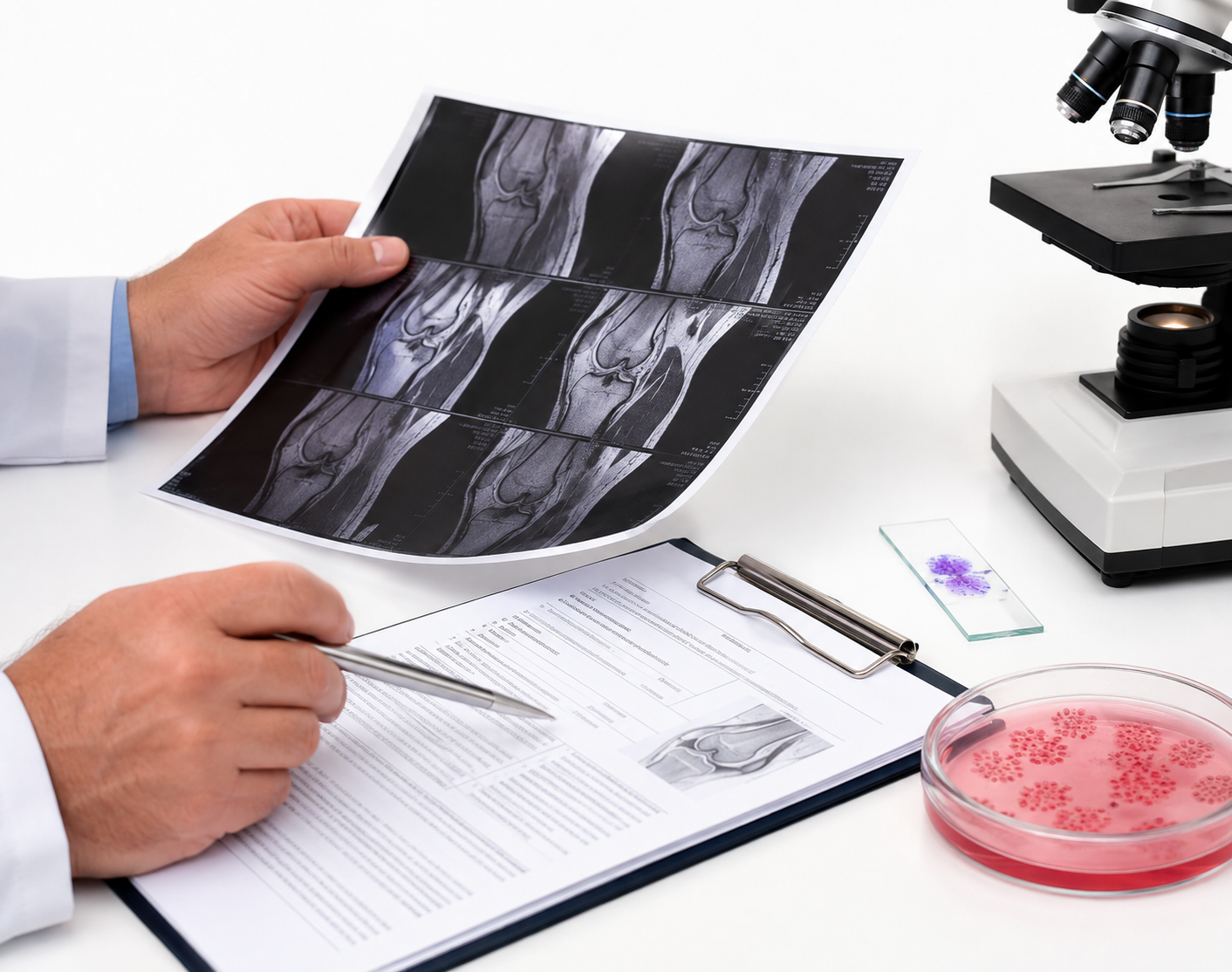
A useful result is something you and a medical professional can measure against a baseline. Feeling better is important, but it is not the same as proving tissue regeneration.
What follow-up really means
Published follow-up is measured in months or years, not days.
There is no universal stem-cell “survival rate.” For blood-forming stem cell transplantation, patient survival matters, but the estimate has to match the disease, stage, age and transplant type.
For Parkinson’s disease, diabetes, spinal cord injury and joint studies, motor function, glucose control, independence, pain or function are usually more useful endpoints than overall survival.
For advanced cirrhosis, a 2025 Cochrane review of 12 studies and 823 adults found the evidence too uncertain to determine whether stem cells reduce deaths.8
For blood stem cell transplantation, NCI says full immune recovery can take several months after a transplant using your own cells and about 1–2 years after a donor or identical-twin transplant.2
Costs without the guesswork
Public self-pay prices in Japan vary by protocol.
These are public asking-price examples we reviewed in August 2026. They’re not a national tariff, an effectiveness claim or a personal quote.
Price pages use different cell sources, cell counts, routes and included services. Do not compare the headline figure until those details are in writing.
Why two patients hear different things
Eligibility is not decided by the disease name alone.
The same diagnosis can cover very different stages, risks and goals. A protocol can also have its own inclusion and exclusion rules.
Pathology, imaging, disease duration, severity and previous complications can materially change which evidence is relevant.
Active infection, unstable organ function or another urgent medical issue may change timing or make a protocol unsuitable.
Medication, surgery, rehabilitation, transplant history and prior cell procedures need to be considered rather than ignored.
Autologous or donor cells, tissue source, processing, dose, route, immune suppression and follow-up can all change the risk-benefit discussion.
Risks and how to check Japan’s records
Know what can add risk before you compare price.
The cell source, route, immune suppression and regulatory record can change the risk discussion. A provision plan and a PMDA-approved product are not the same record.7
Ask whether the cells are your own or donor-derived, the tissue source, cell dose, and whether delivery is IV, intrathecal, intra-articular, portal-vein or surgical. These are not equivalent procedures.
Ask where cells are processed, how identity and contamination risks are controlled, what release tests are used and what records are supplied.
CPC cell processing guideAsk for the provision-plan number when care is offered under the Safety Act. If a product is called “approved,” confirm the exact product and indication in PMDA records.1
Registration and compliance guideWhat you get
A cleaner case pack before you spend time or money.
Start with the records and information you already have. We’ll turn them into a practical set of documents and questions for the next conversation.
Diagnosis, stage, recent tests, current medicines, previous care and your main goal arranged in one short pack.
A short list asking which human study matches the proposed cell product, condition, endpoint and follow-up period.
Cell source, dose, route, number of administrations, testing, immune suppression, follow-up and included costs placed side by side.
We help prepare translated information and practical questions for document review and appointment communication.

For a useful first review
Four things usually make the conversation more specific.
Do not delay contact because one item is missing. Send the available records first.
Diagnostic report, pathology, imaging report or specialist summary.
Main symptoms, disease stage, recent changes and current level of function.
Medication list, surgery, rehabilitation, transplant or prior cell-based procedures.
What you most want to improve, what risk you are willing to accept and what budget or travel limits matter.
Read what actually changes your decision
Related guides
Use the condition guide first, then check cost, safety and Japan regulatory records.

Questions worth asking
Before you make a decision
Can stem cells work for my condition?
Sometimes, but the answer has to match the exact diagnosis and cell product. Blood-forming stem cell transplantation has established uses. Parkinson’s disease and type 1 diabetes have small early-stage human studies with measurable results, knee osteoarthritis has low-certainty evidence of modest symptom improvement, and many other uses remain investigational.
What success rate should I believe?
Use a percentage only when you know the study size, the patient group, the exact product, what counted as success and the follow-up period. For example, 10 of 12 full-dose participants in one 2025 type 1 diabetes study were insulin-independent at day 365; that is a trial result, not an 83% success rate for all people with diabetes.
Does symptom improvement prove tissue regeneration?
No. The 2025 knee Cochrane review found small improvements in pain and function, but none of the included studies assessed radiographic disease progression. Symptoms, function and structural repair are separate outcomes.
How should I think about survival?
For blood stem cell transplantation, patient survival is important but diagnosis-specific. For Parkinson’s, diabetes and joint studies, survival is usually not the main effectiveness endpoint. In advanced liver disease, current Cochrane evidence is too uncertain to claim a mortality benefit from stem cells.
How long does follow-up take?
There is no single recovery timeline. Published studies above used about 6 months for the main knee comparison, at least 12 months for the diabetes report, 24 months for Parkinson’s disease and 2–4 years in the small spinal cord injury phase 1 study. Those are observation periods, not promised recovery times.
Can I stop my current medicine if I am considering stem cells?
No general page can safely make that decision. Continue prescribed care unless the clinician responsible for it changes the plan. Some cell protocols also add medicines such as immune suppression rather than replacing current care.
What should I send first?
A diagnosis report plus a short list of current symptoms, medicines and previous treatment is enough to start. Add recent imaging or laboratory reports if you have them.
Evidence and review date
Sources behind the numbers
Medical claims use regulators, primary human studies or systematic reviews. Public price pages are used only to show asking-price examples and do not imply a recommendation. Source review: 10 August 2026.
Open source list

Start with the facts you already have
Get the details clear before you commit time or money.
Send the diagnosis summary, quote, protocol name or records you already have. We’ll organize the information, flag the missing questions and prepare a cleaner comparison.