

Japan Medical
Tokyo, Japan International Patient Support
Contact Us
What you should know

Diabetes Treatment: What Stem-Cell and Islet-Cell Options Actually Mean

If you are looking at cell therapy for diabetes, the useful question is whether your diabetes type and risk profile match a pathway supported by real human data.

What we provide: patient information support, medical-record organization, evidence and eligibility comparison, appointment coordination and medical translation. We don’t diagnose, prescribe, sell cell products or provide medical treatment.
Clinical records prepared for a diabetes cell-therapy evidence review
A useful review starts with your diagnosis, glucose history, severe hypoglycemia history and current treatment records.
21 of 30Lantidra study participants had insulin independence lasting at least 1 year; this is donor-islet therapy, not stem-cell-derived therapy.[8]
10 of 12Full-dose zimislecel participants were insulin-independent at day 365 in published interim data; the therapy remains investigational.[2]
Type 2: no approved stem-cell therapyThe FDA’s current cellular and gene therapy list does not include one for Type 2 diabetes.[4]
What’s actually available

Do not group every “stem cell” offer together

For diabetes, donor islets, stem-cell-derived islets and generic commercial cell infusions have different evidence and regulatory status.

01

Donor pancreatic islet cells

Lantidra is FDA-approved for adults with Type 1 diabetes who cannot approach target HbA1c because of repeated severe hypoglycemia despite intensive diabetes management and education. It is made from deceased-donor pancreatic islets, not stem cells.[1]

Approved, narrow indication
02

Stem-cell-derived islet cells

Zimislecel is a stem-cell-derived islet-cell therapy infused into the portal vein with immunosuppression. Early results are encouraging, but it remains investigational. On 3 August 2026, Vertex reported that its Phase 1/2/3 study continued to enroll and dose patients.[2][3]

Investigational
03

Generic commercial cell programs

The FDA’s current approved cellular and gene therapy list does not include a stem-cell therapy for Type 2 diabetes. FDA also continues to warn patients about unapproved human cell and tissue products promoted online for disease treatment.[4][5]

Verify before paying
Not sure which category you are looking at?Send the product name, program link or documents you already received. We can help organize the questions that need answers first.
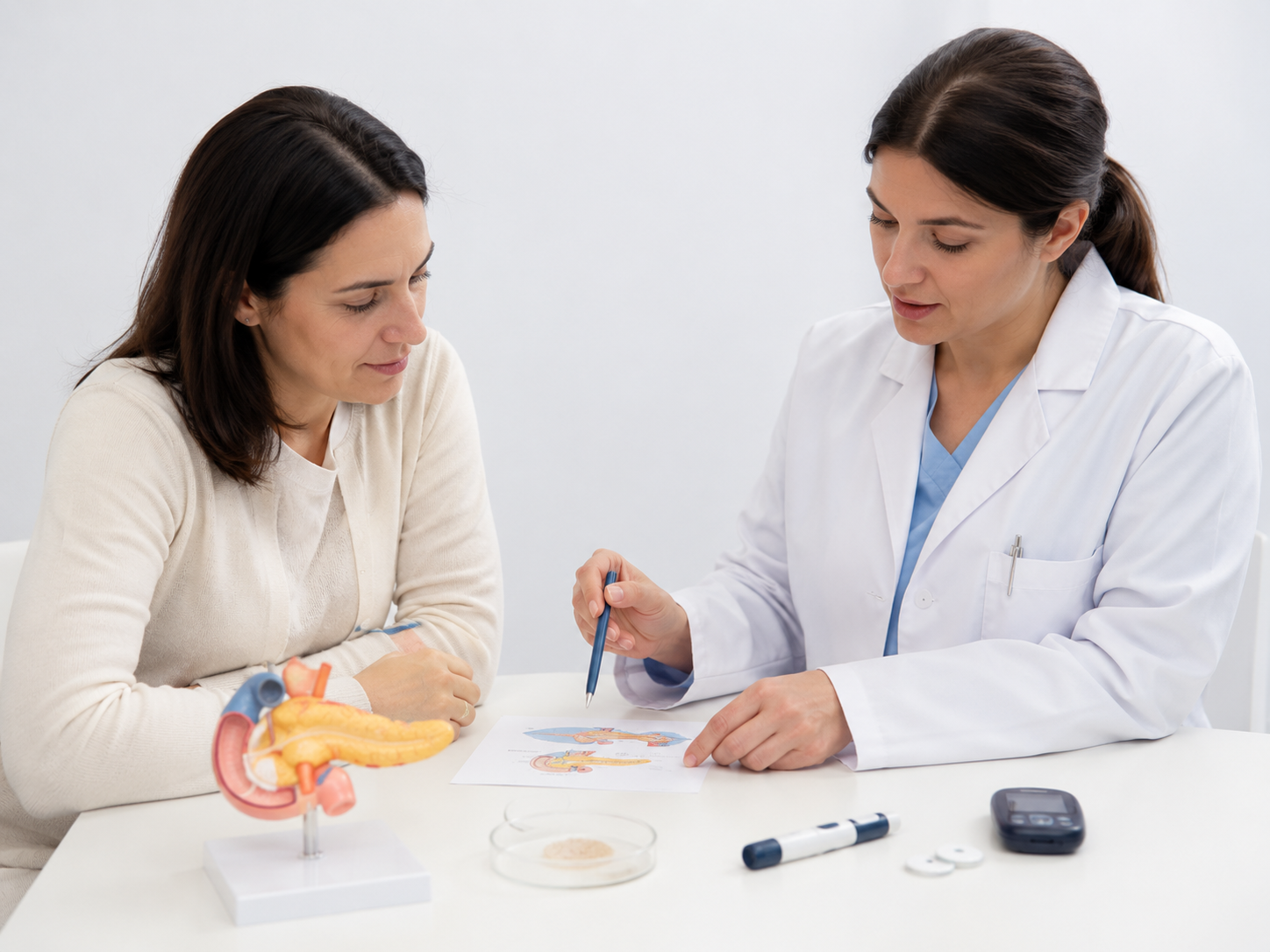
Diabetes records reviewed to confirm disease type and current glucose control
Type 1 vs Type 2: what’s different

The answer is different for Type 1 and Type 2 diabetes

Type 1Current cell-replacement pathways mainly focus on people with severe hypoglycemia and impaired awareness despite intensive insulin management. Long-term immunosuppression is a major part of the decision.
Type 2There is no FDA-approved stem-cell therapy for Type 2 diabetes. An IV mesenchymal-cell, exosome or broadly described “stem-cell” infusion is not the same as replacing insulin-producing pancreatic islets and should not replace established diabetes care.
Uncertain typeIf your diagnosis or disease course is atypical, the correct diabetes type should be clarified first. Blood tests can help distinguish types, including diabetes autoantibody testing when Type 1 is being considered.[6]
Do not stop insulin or prescribed diabetes medicines while exploring a cell-therapy option. Changes in medication should be made only with the licensed clinician managing your diabetes.[7]
What the human evidence shows

Results matter only when you know how much evidence sits behind them

The strongest current numbers come from small, selected Type 1 diabetes groups. Read the percentage together with the sample size, study design and follow-up.

Lantidra evidence base

Two prospective, open-label, single-arm studies included 30 people. Median age was 46.5 years, 80% were women and all participants were White. This is a small, non-diverse dataset, so the observed rates should not be treated as an individual prediction.[8]

FDA-approved donor islets

Lantidra clinical studies

30total participants across two studies
21/30had insulin independence lasting at least 1 year
5/30had no days of insulin independence

Participants could receive up to three infusions. Eleven received one infusion, 12 received two and 7 received three. FDA labeling also states that insulin independence may take weeks and can later be lost.[8]


Investigational stem-cell-derived islets

Zimislecel published Phase 1/2 interim data

14participants had at least 12 months of follow-up
10/12full-dose participants were insulin-independent at day 365
12/12full-dose participants had no severe hypoglycemic events and HbA1c below 7%

All 12 full-dose participants spent more than 70% of time in the 70–180 mg/dL CGM range. All participants received immunosuppression. The analyses were interim and not prespecified, and the authors described the study as small and short-term.[2]

The longer track record

Donor-islet transplantation gives a longer human track record

It is not the same product as a stem-cell-derived islet therapy, but it shows what beta-cell replacement can achieve and what long-term immunosuppression can cost.

48adults in the NIH-sponsored multicenter Phase 3 CIT-07 study
87.5%met the 1-year endpoint: HbA1c below 7% and no severe hypoglycemic event during the specified period
71%met that combined endpoint at 2 years
52.1%were insulin-independent at day 365

The study was single-arm and enrolled people with Type 1 diabetes, impaired awareness of hypoglycemia and severe hypoglycemic events despite expert care. These results support a narrow high-risk population, not routine diabetes treatment.[12]

Long-term diabetes follow-up records used to compare islet transplantation outcomes
Learn what the numbers mean

Four terms that change what a result actually means

Severe hypoglycemiaA low-glucose event serious enough that help from another person is needed. This is central to current islet-transplant eligibility and outcomes.[9]
Insulin independenceNo exogenous insulin is required while adequate glucose control is maintained. It does not by itself prove permanent cure or lifelong benefit.[8]
C-peptideA marker used in trials to show that transplanted cells are producing insulin. In the zimislecel report, all 14 participants developed detectable C-peptide after infusion.[2]
Time in rangeThe percentage of CGM time between 70 and 180 mg/dL in the published zimislecel analysis. All 12 full-dose participants were above 70% at 1 year.[2]
Patient documentation prepared for an eligibility discussion
Who might be a candidate

Who may be worth screening further

Established Type 1 diabetesThe currently approved and late-stage cell-replacement evidence is centered on Type 1 diabetes, not routine Type 2 diabetes care.
Severe hypoglycemia despite intensive managementRepeated episodes requiring help from another person and impaired awareness are important in current approved and investigational pathways.
Risk must justify immunosuppressionKidney, liver, infection, malignancy, pregnancy and other factors can change whether the risk-benefit balance is acceptable.
Current FORWARD study criteria are narrower than general interest.

The sponsor’s study page lists ages 18–65, Type 1 diabetes with more than 5 years of insulin dependence, at least two documented severe hypoglycemia episodes in the prior 12 months, stable diabetes treatment and consistent CGM use for at least 3 months before screening. These are trial-specific criteria, not universal rules.[10]

Risk: the real trade-off

The main trade-off is long-term immunosuppression plus a portal-vein procedure

These FDA-label rates come from only 30 Lantidra participants with variable follow-up from 0.3 to 14.5 years. They describe the trial experience and may not match rates in routine practice.[8]

90%27/30 had at least one serious adverse reaction
87%26/30 had infection events attributed to immunosuppression
80%24/30 had anemia reported
37%11/30 had malignancy adverse reactions reported
27%8/30 had at least one life-threatening adverse reaction

Procedure-related bleeding

Liver laceration, hematoma, hemorrhage or intra-abdominal bleeding was reported in 13% of the Lantidra dataset; portal-pressure elevation was reported in 7%.

Loss of graft function

Eight of 30 participants lost islet-cell function after immunosuppression was discontinued. A working graft depends on continued immune suppression.

Transplant planning

FDA labeling notes that donor-reactive antibodies can increase after infusion and may affect matching for a future kidney or other organ transplant.

Pregnancy and fertility

Lantidra labeling advises against treatment during pregnancy because the required immunosuppressive medicines can cause serious harm.

Deaths were also reported in these small studies. In the 30-person Lantidra trials, two deaths occurred during follow-up; both participants were receiving immunosuppression at the time. In the 14-person published zimislecel interim analysis, two deaths occurred: one from cryptococcal meningitis and one from progression of pre-existing neurocognitive impairment. These small-study observations should not be converted into a general treatment mortality percentage.[8][2]
Have a program name or quotation already?Send what you received. We can help separate the product, evidence, follow-up burden and questions that still need a clear answer.
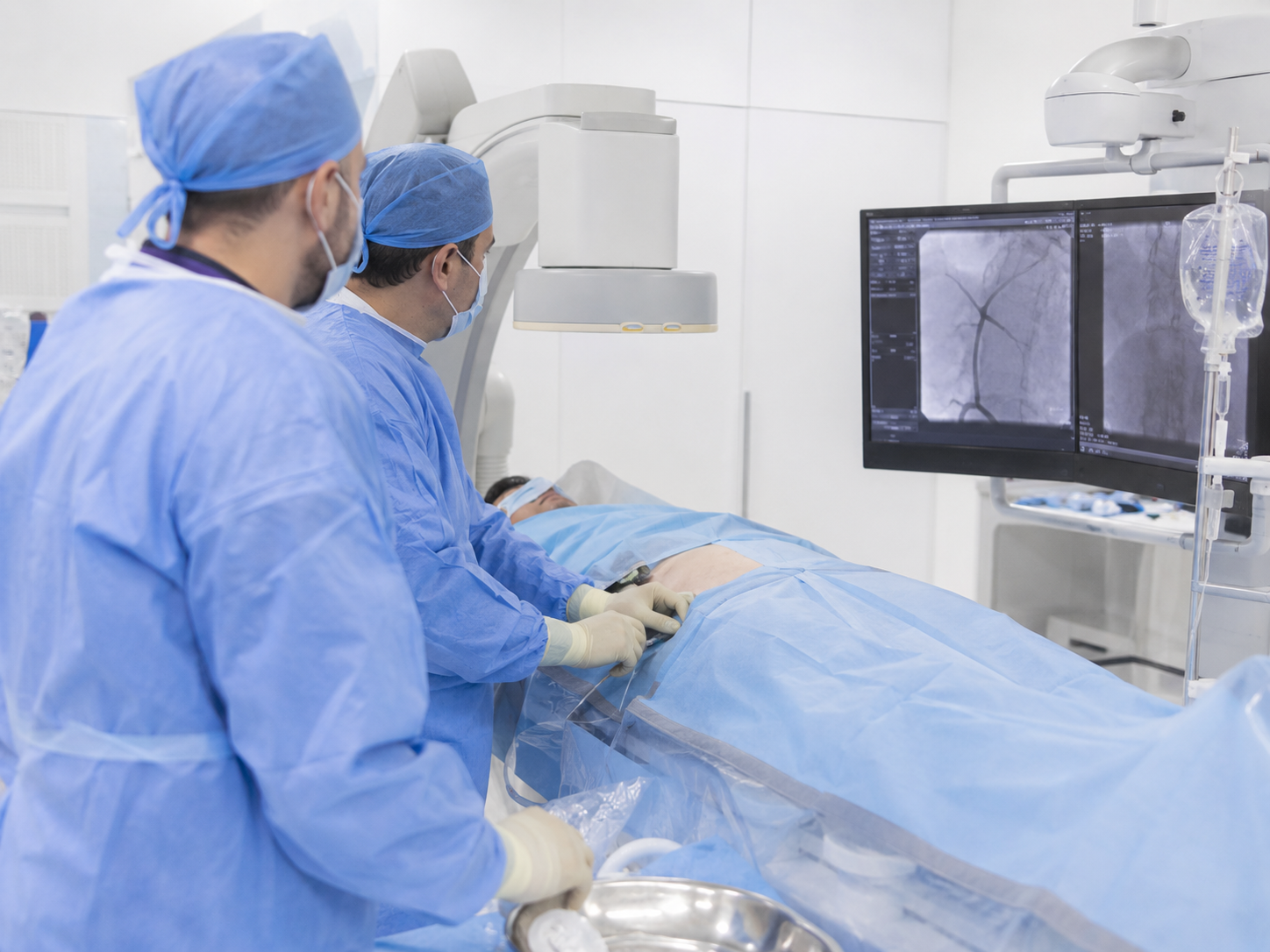
Diabetes glucose and follow-up records reviewed after an islet-cell procedure
How the procedure works

This is not a simple IV infusion followed by a short recovery

DeliveryLantidra is infused through a catheter into the hepatic portal vein under anesthesia.
Immune suppressionMedicines begin before infusion and continue afterward to keep donor islets alive.
ObservationFDA patient labeling requires at least 24 hours of hospital monitoring after Lantidra infusion.
Repeat infusionsIn the FDA studies, 11/30 had one infusion, 12/30 had two and 7/30 had three.
First hoursTeams monitor glucose, bleeding, portal-vein pressure and other procedure-related problems.
First weeksContinue insulin as instructed. FDA labeling states that insulin independence is not immediate and may take several weeks.
Long termRegular glucose checks, laboratory monitoring and immunosuppression continue. Some people who stop insulin later need to restart it.

NIDDK states that islet-transplant recipients take immunosuppressants for as long as the transplanted islets are working. Stopping them leads to graft rejection.[9]

No reliable treatment-specific “survival rate

Current studies are designed around glucose control, severe hypoglycemia, insulin use and safety—not life-expectancy estimates.

Use these endpoints to judge whether a result is clinically meaningful:

Severe hypoglycemiaDid episodes requiring another person’s help stop or decrease?
HbA1cWas glucose control maintained without dangerous lows?
CGM time in rangeHow much time was spent between the study’s target glucose limits?
Insulin requirementWas insulin reduced, stopped, or later restarted?
C-peptideIs there measurable insulin production from functioning transplanted cells?
Durability and safetyHow long did benefit last and what serious adverse events occurred?
What current evidence does not establish: a dependable increase in life expectancy, permanent insulin independence for every patient, or reversal of established kidney, eye, nerve, heart or vascular complications. The major published studies report metabolic and safety endpoints rather than those promises.[2][8][12]
What it costs — and who pays

There is no responsible single price for “diabetes stem cell treatment”

No authoritative source provides one universal patient price. Cost depends first on whether you are looking at an approved donor-islet product, a registered research study or an unapproved commercial package.

01

Approved donor islets

Cost can include the cell product, portal-vein procedure, monitored stay, immunosuppression, laboratory testing and long-term follow-up. Coverage and patient responsibility vary.

02

Clinical research

Research-related costs may be paid by the study, while routine care and travel can still create patient expenses. ClinicalTrials.gov advises asking the study contact exactly what is covered.[11]

03

Commercial packages

A high or low package price, IV infusion fee or advertised “cell count” is not evidence of regulatory approval, clinical effectiveness or long-term follow-up quality.

Ask for the full cost scope before paying

A useful quote should separate the product from everything required around it.

  • Exact product and regulatory status
  • Procedure and observation costs
  • Immune-suppression medicines and monitoring
  • Laboratory and follow-up schedule
  • Travel and repeat-visit requirements
  • What happens financially if screening finds you are not eligible
How we can help

Patient Navigation & Evidence Review

Our service helps you understand what you are being offered, prepare the right records and questions, and communicate clearly before you commit time or money.

Patient records organized for evidence review and medical communication support

Record organization

We turn scattered reports, glucose records and medication information into a clear case summary for discussion.

Evidence status check

We separate approved therapy, registered trials and unapproved commercial claims using published sources.

Question preparation

You receive focused questions about eligibility, immune suppression, expected outcomes, follow-up and total cost.

Coordination & translation

We can help coordinate communication and support medical-document translation so key details are not lost.

We do not determine eligibility, recommend a specific medical intervention, guarantee acceptance into research, or promise clinical outcomes. Those decisions belong to licensed medical professionals and study teams.
Patient records collected before a diabetes cell-therapy inquiry
What to have ready

What to have ready first

You do not need a perfect medical file. These items are enough to make the first discussion more useful.

Diabetes type and year diagnosed
Recent HbA1c results
CGM summary if available
Severe hypoglycemia history
Daily insulin dose, pump or other medicines
C-peptide or autoantibody results if already tested
Kidney and liver function results
Major infection, cancer or transplant history
Six questions to ask first

Six questions that should have clear answers

If the answers stay vague, slow the process down. FDA continues to warn about unapproved cell and tissue products marketed online for broad disease claims.[5]

What exactly is the cell product?Ask for the product name, cell source and how it is manufactured.
What is its regulatory status?Approved, investigational under a registered study, or unapproved commercial use are not equivalent.
Which human study matches my situation?Ask for the patient group, sample size, outcome and follow-up period.
Will I need long-term immunosuppression?If yes, ask which medicines, for how long and how risks will be monitored.
What if the cells do not work or stop working?Ask when insulin continues, when it can be reduced and when it must be restarted.
What is included in the total cost?Separate the product, procedure, monitoring, medicines, follow-up, repeat visits and travel.
Quick answers

Answers patients usually need before going further

Patient information reviewed before asking follow-up questions about diabetes cell therapy
Can stem cells cure Type 1 diabetes?

Stem-cell-derived islet therapy has produced insulin independence in some early trial participants, but it remains investigational. Current results do not justify calling it an approved cure or guaranteeing insulin independence.

Is any cell therapy already approved for Type 1 diabetes?

Yes. Lantidra is FDA-approved for a narrow group of adults with repeated severe hypoglycemia despite intensive diabetes management. It uses deceased-donor pancreatic islet cells, not stem-cell-derived cells.[1]

Can stem-cell therapy treat Type 2 diabetes?

No FDA-approved stem-cell therapy for Type 2 diabetes is currently listed. Research into beta-cell biology continues, but commercial experimental offers should not replace established diabetes management.[4]

Will I definitely stop insulin after islet-cell therapy?

No. Some people never become insulin-independent, and some who do later restart insulin. The FDA label also states that insulin independence is not immediate and may take several weeks.[8]

Do these treatments require immune-suppression medicines?

Current Lantidra and published zimislecel approaches use immunosuppression. For donor-islet transplantation, NIDDK states that recipients take these medicines for as long as the graft is working. This is one of the main reasons the risk-benefit decision is limited to selected patients.[9]

Does cell therapy improve survival or reverse diabetes complications?

Current published studies do not provide a reliable treatment-specific survival percentage and do not establish reversal of existing kidney, eye, nerve, heart or vascular damage. Their main endpoints are glucose control, severe hypoglycemia, insulin use, C-peptide and safety.

How much should I expect to pay?

There is no single reliable price. First confirm the exact product and pathway. Then ask for an itemized scope covering the cell product, procedure, monitored stay, medicines, tests, follow-up and travel. Research-study costs vary by protocol.[11]

Now what?

Get the questions and records clear before you commit

Share the information you’ve got. We’ll organize it, compare it with published criteria, prepare focused questions, coordinate communication and support medical translation.

WhatsApp: +81-8070161366    LINE: +81-8075357788
Information last reviewed: 10 August 2026. This service does not replace medical diagnosis or care from a licensed clinician.