
Advanced Health Screening in Japan
The smartest plan isn’t the biggest package — it’s the one that fits your actual risk. We help international clients pull together past records, compare self-pay routes in Japan, schedule appointments, get ready for exams, arrange language support and keep the follow-up questions straight.
If you’re already dealing with ongoing symptoms, a new lump, unexplained bleeding, abnormal imaging or a doctor told you to get a closer look — mention it upfront. A targeted workup could do more for you than running through a standard screening package.
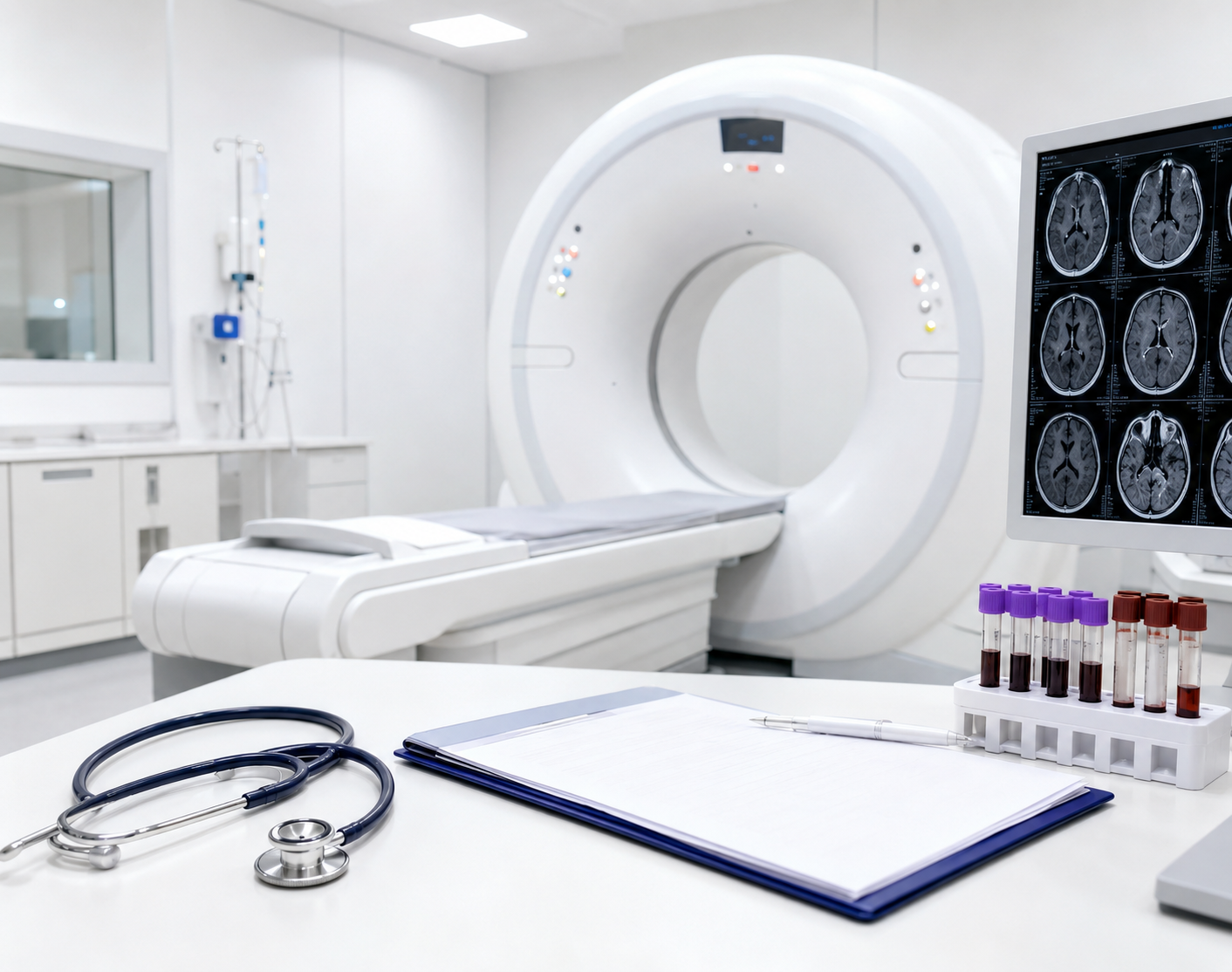
The reason for testing changes what should happen next
Three people can walk in asking for the same checkup and walk out needing completely different plans. Before you pick the equipment, start with what you’re actually trying to figure out.
No current symptoms
Build a preventive baseline around age, family history, smoking exposure, metabolic risk and the national cancer-screening schedule.
An abnormal result already exists
Use the original report, images and follow-up recommendation to decide whether focused imaging, endoscopy or specialist assessment is more appropriate than repeating a broad package.
A known condition is being followed
Monitoring should compare trends against prior results and the treating physician’s plan. Routine screening intervals may no longer apply to the affected organ.
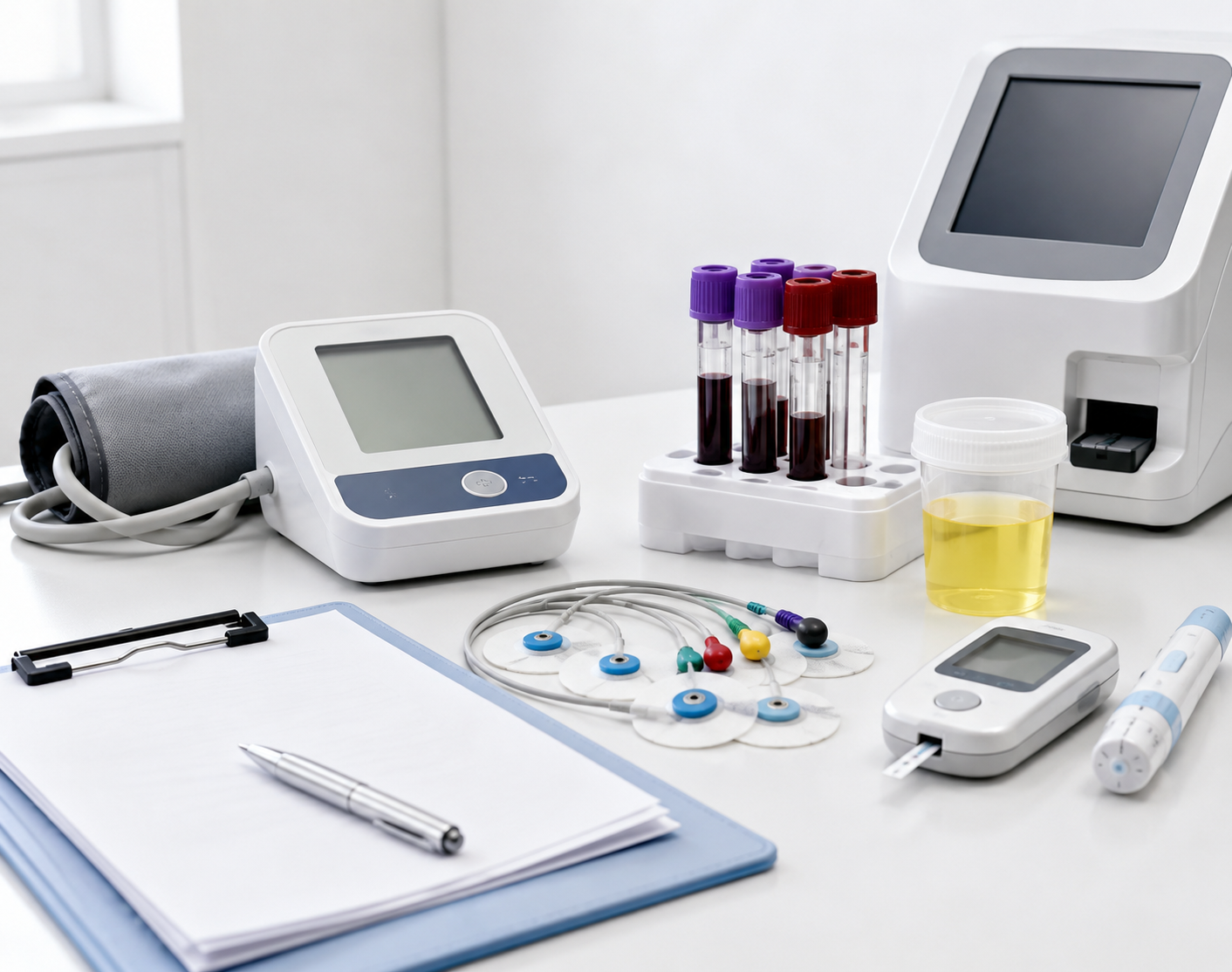
A useful program starts before MRI or PET-CT
Japan’s Specific Health Checkups define 8 basic groups: questionnaire, body measurements, physical examination, blood pressure, lipids, glucose, liver tests and urine tests. Four additional tests—ECG, eye-fundus examination, anemia testing and serum creatinine—may be added when defined criteria are met. Advanced imaging should answer a separate question, not replace this baseline.
Blood pressure and circulation
Use repeated values, medication history and home readings when available. One reading can be affected by pain, stress, sleep or caffeine.
Glucose and lipid pattern
The MHLW baseline includes fasting glucose or HbA1c, triglycerides, HDL and LDL. Results are more useful when compared with blood pressure, weight, smoking history and previous values.
Liver and urine checks
The standard list includes liver enzymes AST, ALT and gamma-GT plus urine glucose and urine protein. Serum creatinine is one of the conditional additional tests.
Four conditional health-check tests
ECG, eye-fundus examination, anemia testing and serum creatinine may be added under MHLW criteria. Ultrasound, CT, MRI, PET-CT and endoscopy are separate choices and should have a clear reason.
Use organ-specific screening before adding expensive extras
Japan’s national guidance was updated for implementation in 2026. These are population-screening baselines, not a personal prescription. Symptoms, past cancer, hereditary risk and previous abnormal findings can change the route.
| Area | National method | Starting age | Interval | Important context |
|---|---|---|---|---|
| Gastric | Gastric X-ray or upper endoscopy | 50+ | Every 2 years | Gastric X-ray may temporarily be offered from age 40 annually in some programs. |
| Colorectal | Immunochemical fecal occult blood test | 40+ | Every year | A positive result requires diagnostic follow-up; repeating the stool test is not a substitute. |
| Lung | Questionnaire and chest X-ray | 40+ | Every year | Smoking exposure can change the discussion about more targeted lung assessment. |
| Breast | Mammography with questionnaire | 40+ | Every 2 years | High hereditary risk, previous breast cancer or a new lump needs individualized assessment. |
| Cervical | Cytology; eligible municipalities may use primary HPV testing | 20+ cytology; 30+ eligible HPV pathway | Every 2 years cytology; every 5 years eligible HPV pathway | Follow-up changes when HPV or cytology results are abnormal. |
Current reference: National Cancer Center Japan, Cancer Information Service, updated 1 April 2026 from the MHLW guideline revised 24 December 2025. The same guidance notes that screening below the recommended ages has less established benefit and can increase screening harms. Symptoms or a known abnormality should be evaluated as a clinical problem instead of simply moving routine screening earlier.
A referral for detailed examination is not a cancer diagnosis
National Cancer Center Japan reports what happened among people referred for detailed examination in 2019. Cancer was ultimately found in a minority of referrals, but follow-up still matters because screening cannot determine the diagnosis by itself.
Source: National Cancer Center Japan, based on MHLW 2019 public-health screening data.
Usual clarification is upper endoscopy. If a suspicious area is seen, tissue may be taken for pathology.
about 1 in 50
Total colonoscopy is the usual first detailed examination; CT colonography or combined methods may be used when colonoscopy is difficult.
about 1 in 30
Chest CT is a common next examination. Tissue or cell sampling may follow when imaging remains suspicious.
about 1 in 35
Additional mammography and ultrasound are commonly combined; cytology or tissue biopsy is used when needed to confirm the finding.
about 1 in 18
Colposcopy with tissue examination is a common next step; HPV testing or cytology may also be used depending on the result.
about 1 in 70
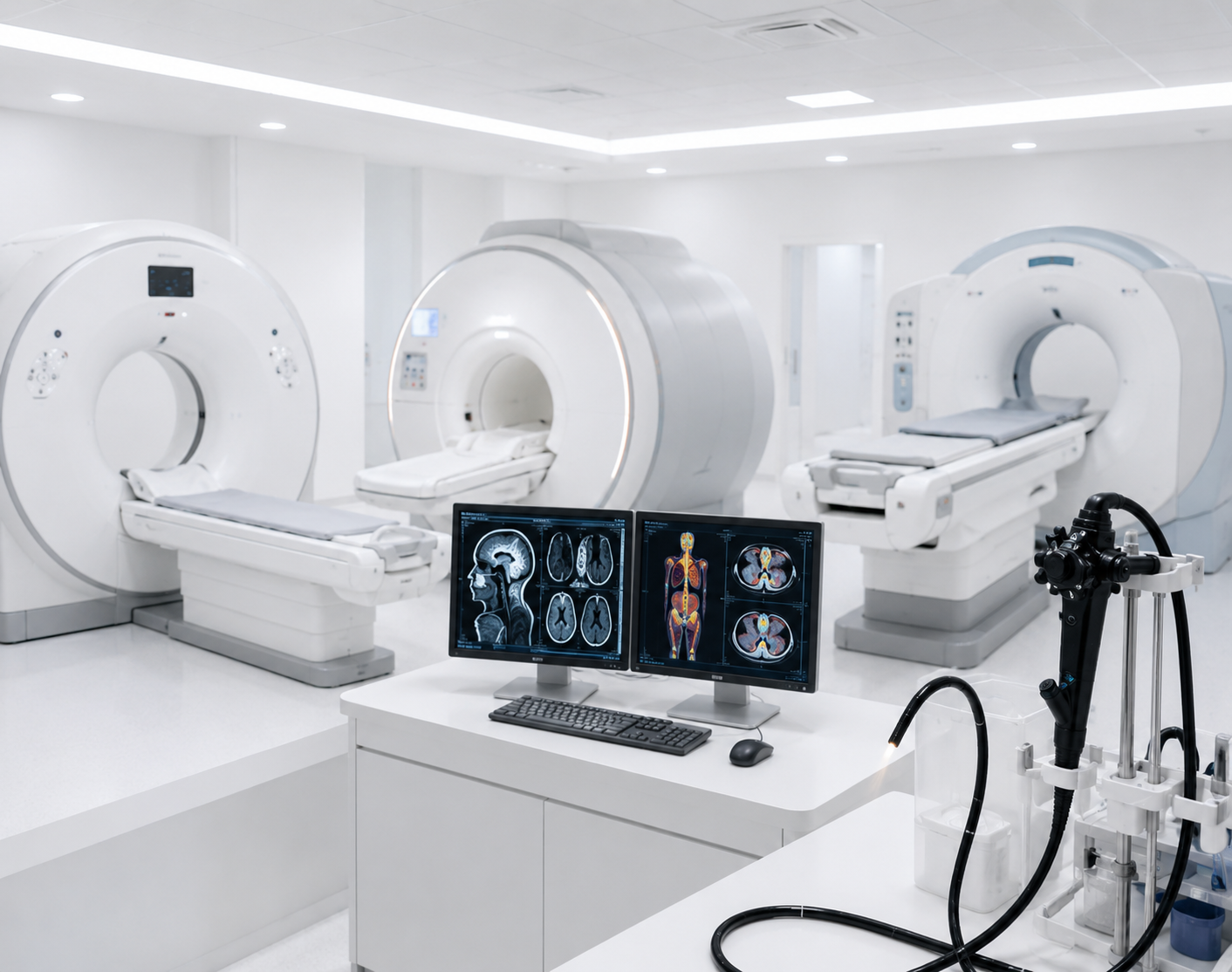
CT, MRI, PET-CT and endoscopy do different jobs
Adding every available test increases cost and can create incidental findings. Use each method for a reason you can explain before booking.
For a direct comparison, read PET-CT vs. MRI for Cancer Screening.
Not sure how much testing is enough?
Send your age range, priorities, previous reports and preferred dates. We can help you organize the questions before you choose a route.
Previous findings and current symptoms can change the whole route
Do not hide an unresolved problem inside a general package. The original finding often tells us which information needs to be organized first.
Send the value, reference range, date and prior trend. One isolated result may need repeat testing before broader investigation.
Send the report and original images when available. Size, location, imaging method and comparison with older scans can matter more than repeating a full-body test.
National guidance calls for appropriate diagnostic follow-up. Repeating a screening stool test does not replace the indicated evaluation.
National guidance does not treat people currently under care for that cancer or precancer as routine screening candidates for the same organ. The treating physician should decide when screening restarts.
Turn scattered records into a workable plan in Japan
Our role is coordination and language support. Final examination choices, interpretation and clinical decisions remain with the licensed professionals who assess you.
You can also review our Japan Precision Checkup overview.

Share the goal and the records you already have
Age, family history, smoking exposure, current medicines, prior operations, recent blood tests, imaging, endoscopy and unresolved recommendations are the useful starting points.
We organize the questions before matching options
We separate preventive screening from findings that may need targeted assessment and identify duplicated or missing information.
Compare scope, timing and planning cost
We help clarify what is included, what is optional, how many days are needed and what can create extra charges.
Coordinate appointment preparation and language needs
We help clarify fasting, bowel preparation when relevant, documents to bring, appointment timing and translation support.
Keep reports and next questions organized
After the visit, the useful outcome is a clear record of what was normal, what needs follow-up, the recommended timing and which report should travel with you.
Use current public prices as reference points, not as your quotation
Japan has no single national self-pay price for advanced screening. To avoid false precision, these are current published examples from national medical centers checked in August 2026.
Half-day comprehensive checkup
A currently published self-pay example from a national hospital center.
One-night, two-day checkup
A broader published example from the same public program.
PET-CT examination
A current standalone PET-CT self-pay price published by a national hospital center.
PET option example
Another national center lists PET as a Ningen Dock option at this tax-inclusive price.
These are published examples, not a market-wide price range and not a quote for your case. Sedation, pathology, additional imaging, translated reports and follow-up can change the total. See Health Screening Costs and Packages in Japan for a wider package comparison.
Public price sources: half-day and one-night/two-day checkups, PET-CT JPY 132,000, and PET option JPY 110,000.
Want a clearer estimate before you book travel?
Send your preferred dates and the tests or priorities you are considering. We can help you clarify likely scope before the schedule is finalized.

Send the information that can change safety, scope or preparation
Complete information helps reduce duplicated tests and last-minute schedule changes.
A useful report tells you what to do next and when
General health checks may use categories such as monitor, repeat or detailed examination. Cancer screening is simpler: the key distinction is usually whether detailed examination is required. Do not treat “repeat,” “monitor” and “detailed examination” as the same instruction.

Use the detailed guide that matches your next question

Advanced Health Screening in Japan FAQ
What makes a screening plan advanced?
Can one scan rule out all cancers?
Should PET-CT or tumor markers be added automatically?
What if a previous test is already abnormal?
How much should I budget?
What happens if cancer screening is positive?
How much time should I allow?
Can a normal result guarantee that I am disease-free?
Public sources used for the screening guidance
Medical guidance and published price examples below were checked against the cited sources on 11 August 2026.
Ready to make your Japan plan clearer?
Share your age range, what matters most to you, any previous findings, the records you have handy, and when you’d like to travel. We can pull it all together, compare the routes that fit, sort out scheduling, and help you get ready for the visit.
This coordination service doesn’t diagnose conditions or replace advice from a licensed physician. The professionals responsible for your care make all examination selections, interpretations and clinical decisions.