

CHRONIC PAIN
Chronic Pain
Stem-cell therapy modulates inflammation, supports tissue repair and helps break the chronic pain cycle.
SCROLL
Beyond Painkillers
Chronic Pain Deserves Source-Level, Not Symptom-Level, Care
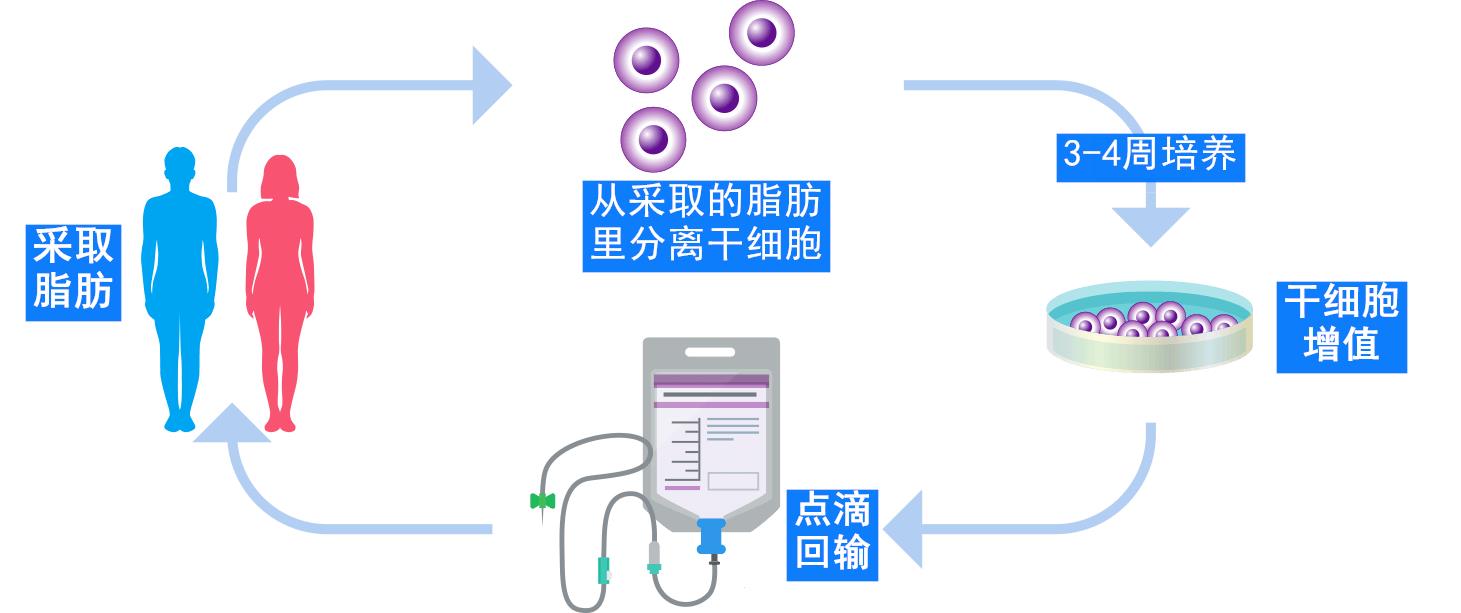
When pain persists for more than 3-6 months after the original injury or disease has healed, it is classified as chronic pain. Conventional treatment—medication, physical therapy, nerve blocks—often fails to deliver lasting relief and may carry long-term side effects. Stem-cell therapy offers a regenerative alternative: autologous MSCs seek damaged tissue via homing signals, reduce local inflammation and gradually restore microenvironmental balance.
Why Chronic Pain Is So Hard to Resolve
A deeper, more considered approach
- Pain-sensing neurons and glial cells develop abnormal firing patterns.
- Persistent inflammatory cytokines maintain nociceptive sensitization.
- Long-term medication can produce tolerance and side effects.
- Chronic pain damages sleep, mood and social participation.
- Pain cycle — pain, anxiety, sleep loss, more pain — is self-reinforcing.
Source-Level Care
Why Stem-Cell Therapy Is a Real Option for Refractory Chronic Pain
Anti-Inflammatory Modulation
Stem cells suppress pro-inflammatory cytokines that sustain chronic pain.Neural Environment Repair
MSCs help restore normal neuron-glia signaling, reducing pathologic sensitization.Tissue Regeneration Support
Local repair of micro-damage reduces the original source of pain signals.Immune Rebalancing
MSCs rebalance immune responses, supporting systemic recovery from chronic inflammation.Autologous, Low Side-Effect Profile
Using the patient’s own cells minimizes immune risk and treatment burden.Recovery Indicators
Improvements Patients May Experience
- Reduced pain scores on VAS/NRS scales within weeks
- Improved sleep quality and reduced nighttime awakening
- Lower reliance on painkillers and anti-inflammatory drugs
- Improved mobility, mood and social participation
- Reduced systemic inflammatory markers in blood tests
Suitable Candidates
Designed for individual needs
- Patients with chronic musculoskeletal pain unresponsive to standard therapy
- Patients with chronic shoulder, knee or spinal joint pain
- Patients with neuropathic pain or post-surgical persistent pain
- Patients with chronic headaches or fibromyalgia-type syndromes
- Those seeking to reduce long-term medication and improve quality of life
Patient Stories
Observed changes and clinical stories

Long-Standing Shoulder Pain
A 30-something patient with several years of persistent right shoulder pain received MSC infusion and reported meaningful pain reduction and range-of-motion gains.Mixed-Source Pain with Multiple Joints
A 50-year-old patient with knee and shoulder pain from long-term karate training responded well to MSC therapy, returning to daily activities with reduced discomfort.Private, professional, precise