

CARDIOVASCULAR & CEREBROVASCULAR CARE
Cardiovascular and Cerebrovascular Diseases
Stem-cell therapy supports neural regeneration, vascular repair and post-stroke functional recovery.
SCROLL
Beyond Conventional Therapy
Cerebrovascular Damage Is Not the End of Recovery
Each year, nearly 2 million new cerebrovascular cases are reported in China, with cerebral infarction accounting for approximately 80%. Conventional therapy—medication, surgery and rehabilitation—often cannot regenerate lost neurons or fully restore function. Stem-cell therapy, by contrast, supports neural replacement, secretion of neurotrophic factors and activation of endogenous repair mechanisms, opening a new path for post-stroke recovery.
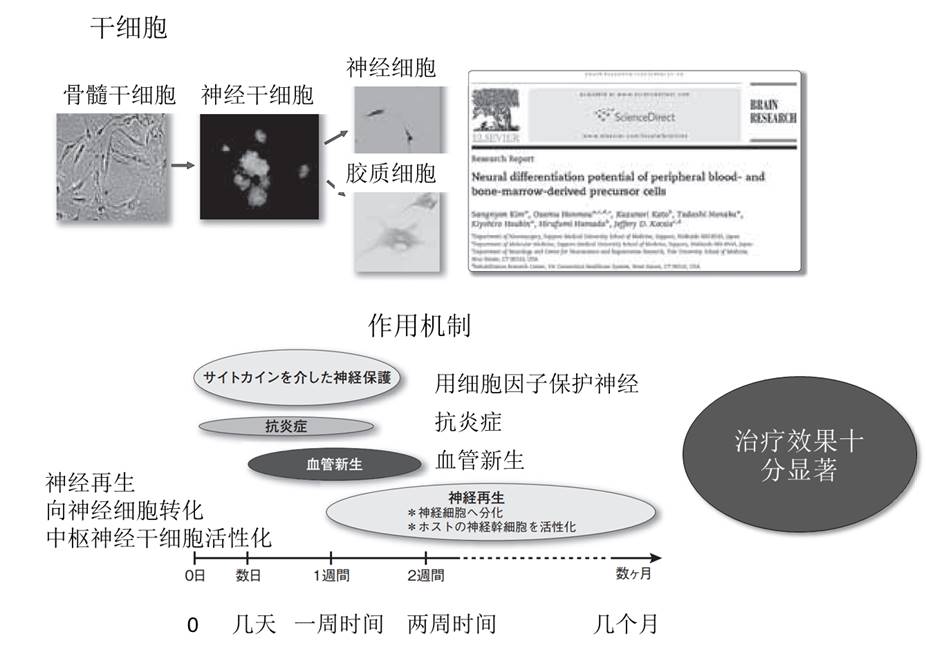
Why Conventional Cerebrovascular Therapy Falls Short
A deeper, more considered approach
- Medication reduces edema but cannot regenerate dead neurons.
- Surgery carries risk and cannot restore already-damaged neural tissue.
- Rehabilitation helps adaptation but does not address the underlying lesion.
- Post-stroke patients face high disability and recurrence rates.
- Sensory, motor and cognitive deficits persist long-term.
Neural & Vascular Repair
Why Stem-Cell Therapy Opens a New Avenue for Cerebrovascular Patients
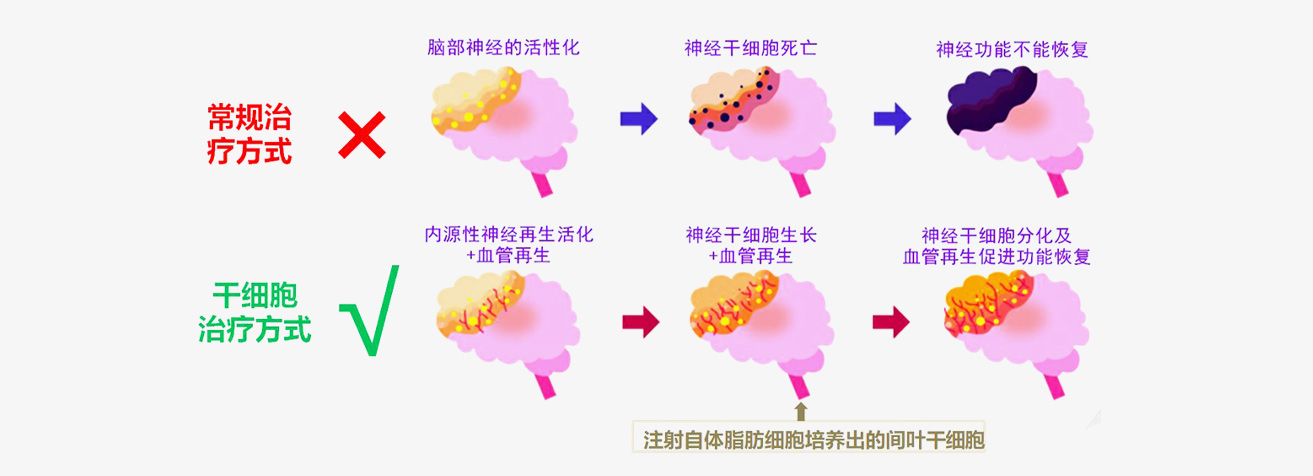
Neurotrophic Factor Secretion
Stem cells secrete BDNF, GDNF and other factors that support surviving neurons and stimulate endogenous repair.Perilesional Vascular Regeneration
New micro-vessels form around the infarct area, improving cerebral perfusion and metabolic support.Immune & Inflammation Modulation
MSCs modulate microglial activation and reduce chronic post-stroke inflammation.Systemic Circulatory Improvement
Stem cells support cardiac and peripheral vascular function, addressing comorbidities common in stroke patients.High Cell Quantity With Precision
A single reinfusion can deliver up to 200–300 million cells, providing sufficient reparative capacity.Recovery Goals
Functional Improvements Patients May Achieve
- Gradual recovery of limb motor function and balance
- Improved speech articulation and language expression
- Enhanced memory, attention and cognitive processing
- Reduced spasticity and improved muscle control
- Better sleep, energy and overall mood
Suitable Candidates
Designed for individual needs
- Patients within the acute, subacute or chronic phase of cerebral infarction
- Patients with hemiplegia, aphasia or post-stroke cognitive decline
- Patients with coexisting cardiovascular risk factors
- Patients seeking to reduce recurrence risk and improve quality of life
- Those whose recovery plateaued under conventional rehabilitation
Patient Stories
Observed changes and clinical stories
Cerebral Hemorrhage with Hemiplegia
A patient in his 50s with right-sided hemiparesis from cerebral hemorrhage received adipose-derived stem-cell therapy. Gradual improvements in voluntary movement were reported in the months following infusion.Speech & Mobility Recovery
A 40-year-old patient with chronic post-stroke deficits received stem-cell infusion. Speech fluency and gait stability both improved during follow-up.Private, professional, precise