
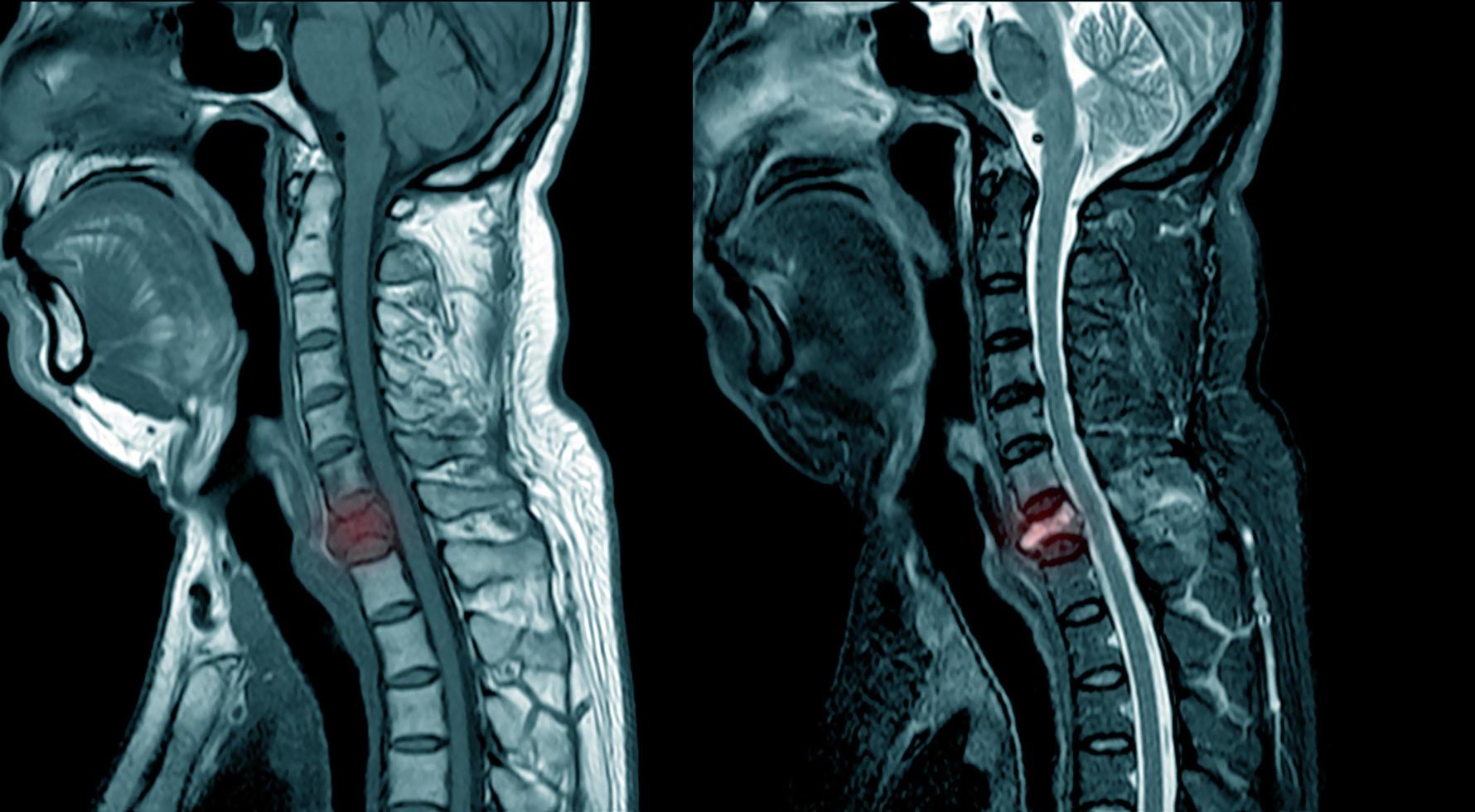
SPINAL CORD INJURY
Spinal Cord Injury
Stem-cell therapy supports neural regeneration, anti-inflammation and gradual functional recovery after spinal cord injury.
SCROLL
A New Chapter for Spinal Cord Recovery
Spinal Cord Injury Is No Longer a Closed Chapter
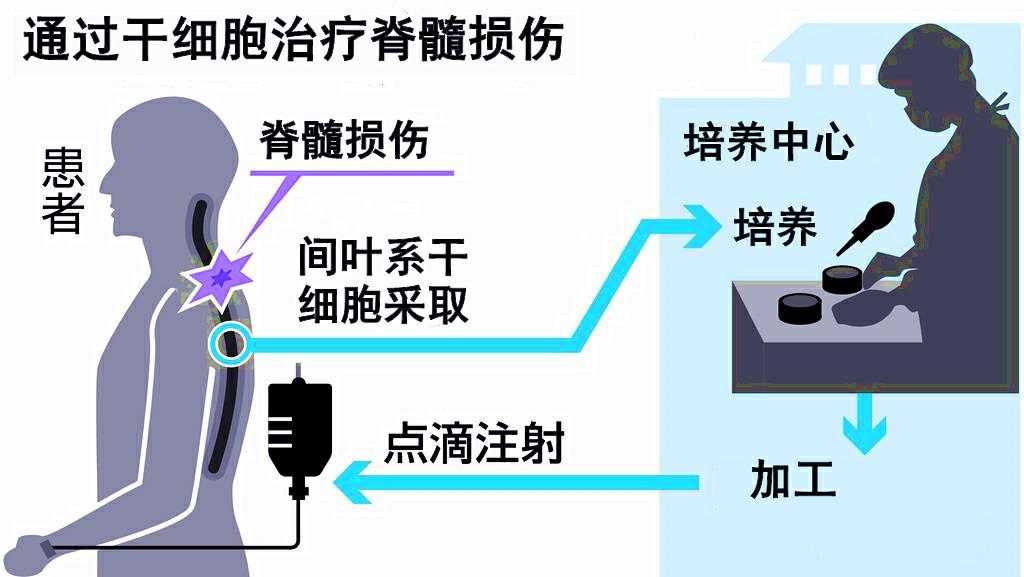
Spinal cord injury has traditionally been considered irreversible, with treatment limited to preventing secondary damage and rehabilitation. Stem-cell therapy changes this perspective: adipose-derived MSCs can differentiate into neuron- and glia-like cells, secrete neurotrophic factors, modulate inflammation and gradually support neural circuit reconstruction. For both acute and chronic-phase patients, this opens a real therapeutic window.
Why Spinal Cord Damage Has Been Difficult to Reverse
A deeper, more considered approach
- Central nervous system neurons have very limited regenerative capacity.
- Injury triggers inflammation that further damages surviving tissue.
- Complete injury leads to total loss of motor and sensory function below the lesion.
- Glial scarring forms a physical barrier to regeneration.
- Injury level determines severity — cervical injuries can impair respiration.
Neural Circuit Repair
Why Stem-Cell Therapy Brings Real Hope to Spinal Cord Injury
Neurotrophic Factor Release
BDNF, GDNF and NGF support surviving neurons and promote axon sprouting.Anti-Inflammatory Modulation
Stem cells suppress the cytokine cascade that causes secondary neural damage.Improved Local Blood Flow
Angiogenic factors promote microvascular recovery around the lesion.Glial Scar Modulation
MSCs soften the glial scar environment, allowing new axons to extend across the lesion.Long-Term Autologous Banking
Cells can be cryo-banked for repeated reinfusion across the recovery timeline.Functional Goals
Functional Improvements Patients May Achieve
- Gradual improvement in muscle strength and voluntary movement
- Reduced spasticity and improved joint range of motion
- Improved bladder and bowel control with regular rehabilitation
- Partial recovery of sensation below the injury level
- Better sleep, mood and overall quality of life
Suitable Candidates
Designed for individual needs
- Patients with acute, subacute or chronic-phase spinal cord injury
- Patients with incomplete injury seeking functional gains
- Patients with chronic complete injury seeking incremental recovery
- Patients with rehabilitation plateau who want to break through
- Those seeking non-surgical, autologous regenerative options
Patient Stories
Observed changes and clinical stories
Chronic Spinal Cord Injury — 14 Years Post-Injury
A 30-year-old male with 14-year chronic paraplegia from traffic accident received stem-cell therapy. Functional gains were observed in motor and sensory assessments across serial follow-ups.Combined Rehabilitation Outcome
A patient with incomplete cervical injury combined stem-cell therapy with intensive rehab, achieving meaningful recovery in upper-limb function and trunk stability.Private, professional, precise